Early Stratford Roots
Richard Boothe, who came from England, was among the early Stratford settlers. His descendants remained connected to town life, farming, public service, and the land that later became Boothe Memorial Park.
 Friends of Boothe Park
To Preserve & Restore
Friends of Boothe Park
To Preserve & Restore
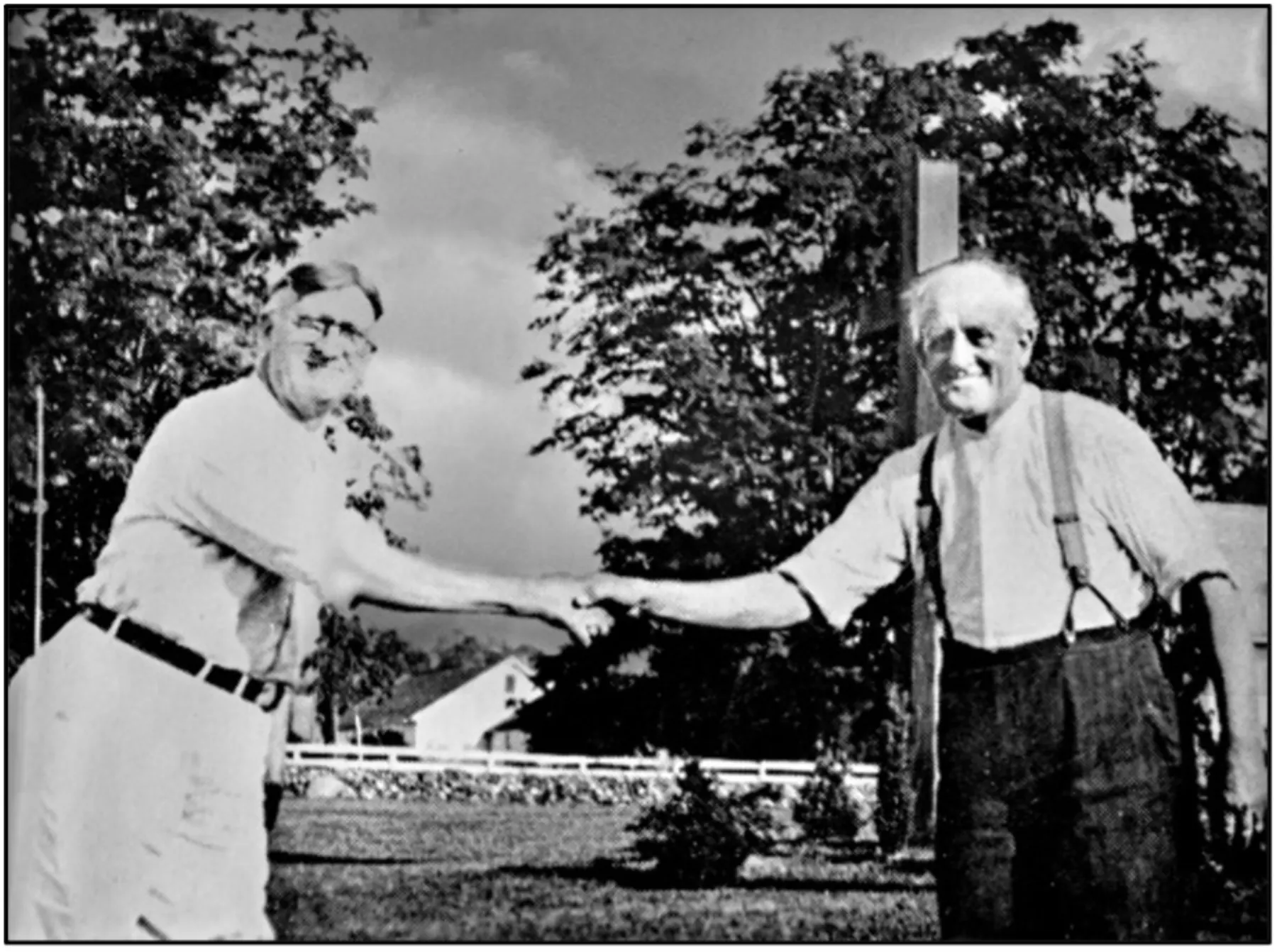
For generations, the Boothe family shaped a stretch of Putney farmland along the Housatonic River. David and Stephen Boothe turned that inheritance into one of Stratford’s most unusual museum landscapes.
Boothe Memorial Park began as a family place: farm fields, river views, household work, gardens, and generations of Stratford memory. By the early twentieth century, David and Stephen Boothe were using that land to preserve family history, collect artifacts, host neighbors, and build the curious structures that still give the park its character.
The brothers were sometimes described as eccentric, but their work was also generous and deliberate. They imagined the property as a public place of rest, beauty, history, and enjoyment, then left it to Stratford so others could experience it.
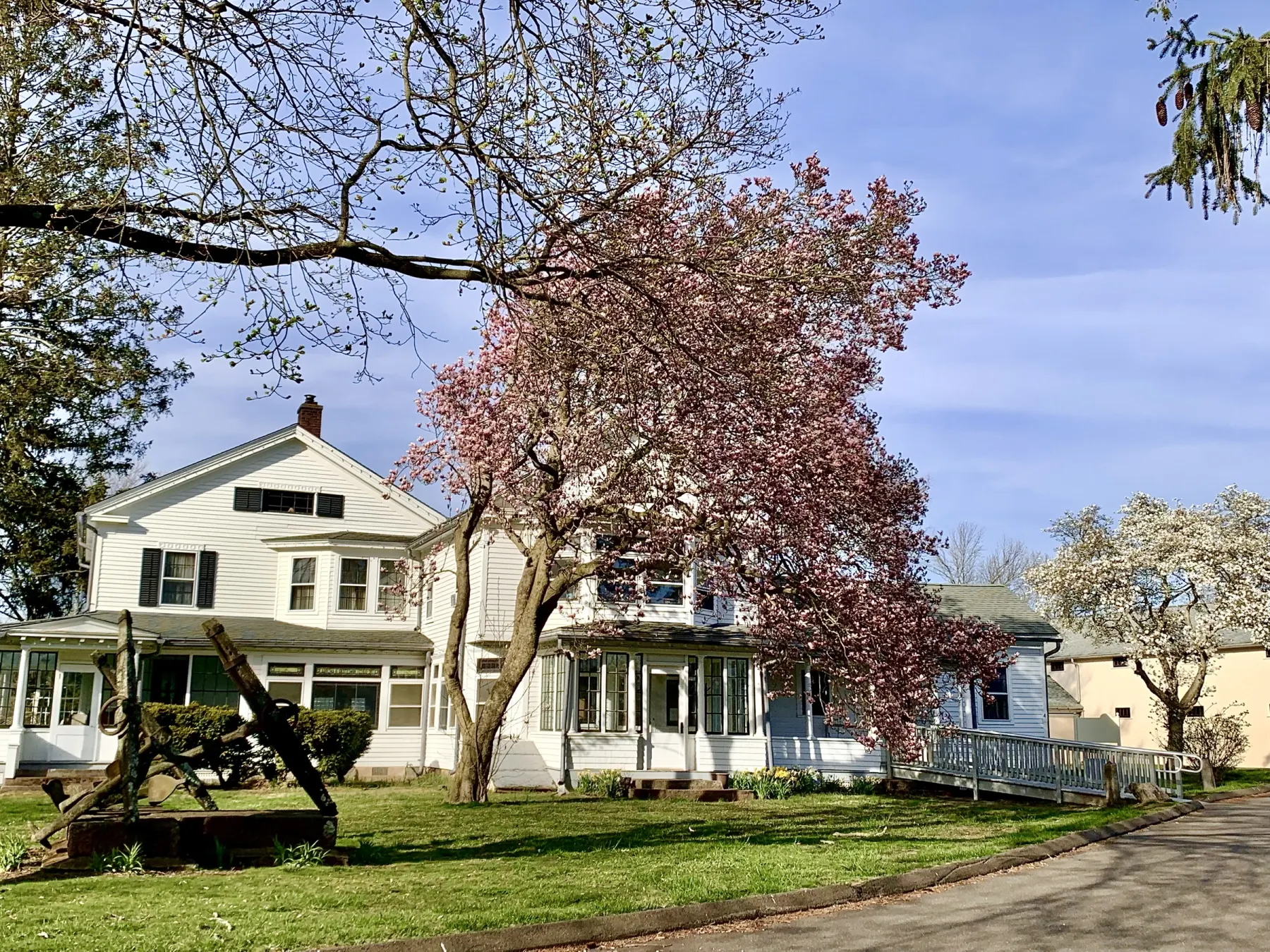
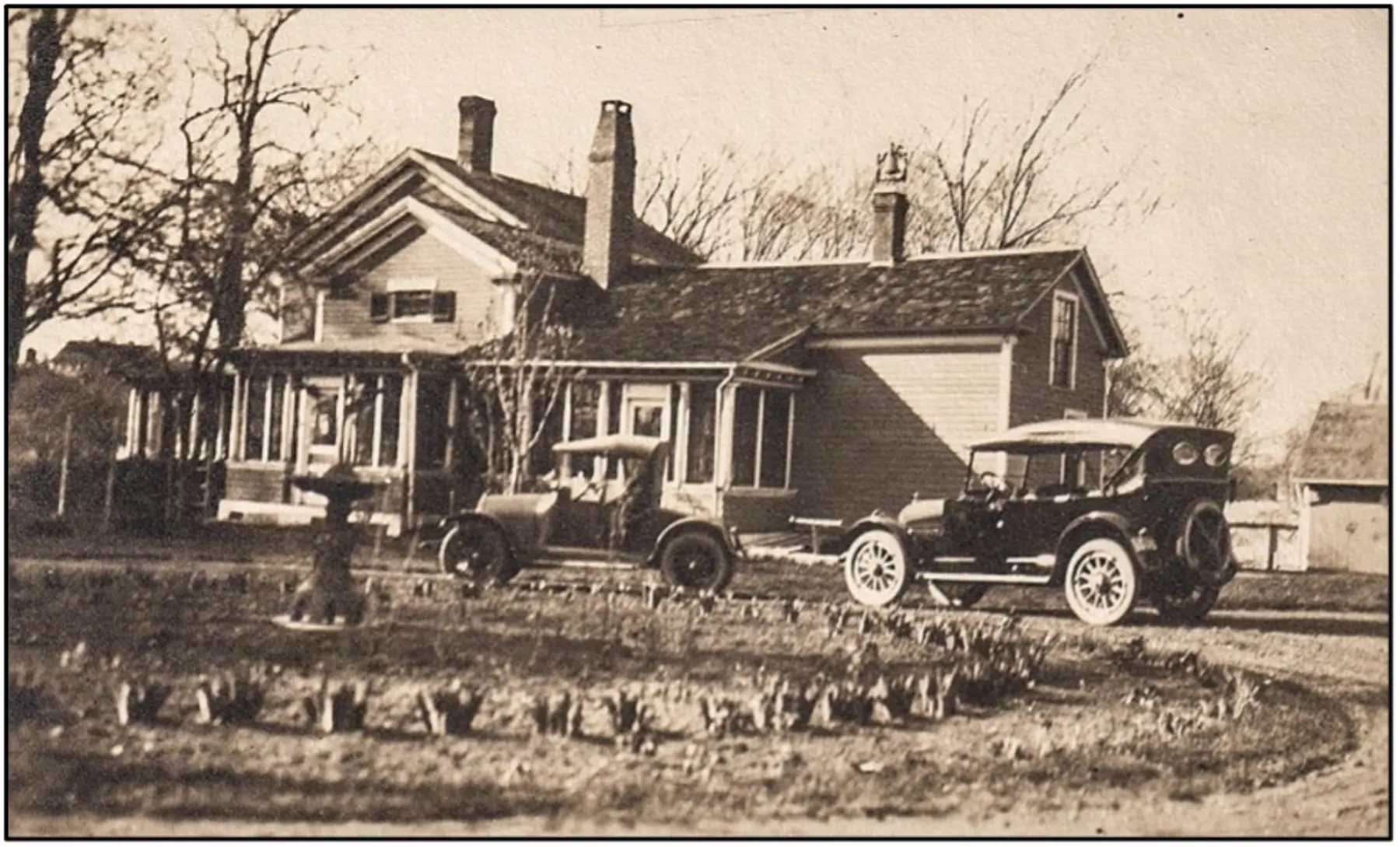
The family history reaches from early Stratford settlement to the Putney farm, where the land, Homestead, and family records became part of a lasting public legacy.
Richard Boothe, who came from England, was among the early Stratford settlers. His descendants remained connected to town life, farming, public service, and the land that later became Boothe Memorial Park.
In 1725, Zechariah Booth purchased farmland near the Housatonic River from Jonathan Stiles. That land became the center of the family Homestead and the place where David and Stephen were later born.
The brothers valued genealogy, family records, and old objects. Family tradition connected the Boothe line to English heraldry, while the Stratford record shows a long local story of land, work, and civic life.
Family accounts often describe the brothers as complementary opposites. David was associated with the outdoor, mechanical, business, and building life of the property. Stephen was associated with the domestic, artistic, musical, culinary, and collecting life of the Homestead.
Mr. Outside
1867-1949
David was the older brother, a builder, organizer, businessman, and colorful public presence. He cared for many of the mechanical and outdoor parts of the property, supervised unusual buildings, and was known locally for humor, patriotic costumes, and a taste for spectacle.
Mr. Inside
1869-1948
Stephen was remembered for cooking, music, design, needlework, and travel. He prepared meals for gatherings at the Homestead and brought back objects from abroad, helping turn the family property into a layered collection of artifacts and stories.

The brothers collected in almost every direction: family papers, farm tools, books, baskets, clocks, travel souvenirs, household objects, and artifacts connected to friends and visitors. They also built and adapted structures to house the growing museum world around the Homestead.
The result is not a conventional house museum. Boothe Park is a layered landscape where family history, local farming, world travel, showmanship, and preservation sit side by side.
Letters, bills, receipts, family histories, and records helped later volunteers understand the brothers and the family they worked so hard to remember.
The museum collections preserve tools, household objects, and evidence of a working farm that changed as Stratford and the region changed.
The brothers collected widely, including baskets, books, dolls, stamps, coins, Native American objects, and items connected to their travels and friendships.
Clocktower, Blacksmith Shop, Ice House, Outhouse, Trolley Station, and other structures helped make the property one of New England’s most unusual museum landscapes.
The Boothe story is full of humor, spectacle, and practical kindness. The brothers could be playful hosts, exacting collectors, and generous neighbors, sometimes all at once.
The brothers hosted dinners, picnics, church fundraisers, and gatherings where food, games, jokes, and surprise prizes turned ordinary events into remembered occasions.
During hard years, including the Great Depression, they helped neighbors with food, clothing, and practical support, often without making a show of their giving.
Their joint wills left the land and buildings to the Town of Stratford so the public could enjoy the grounds, views, museums, and beauty of the place.
“It has given me and my brother a great deal of pleasure to discuss its possibilities as a public park where people could come and enjoy themselves as we ourselves have enjoyed living on it during our lifetime.”
A brief chronology of the family land, the brothers’ lives, the public park, and the volunteer preservation work that followed.
Zechariah Booth purchases farmland near the Housatonic River from Jonathan Stiles, establishing the center of the family Homestead site.
David Beach Boothe is born in the family Homestead after the Civil War.
Stephen Nichols Boothe is born at the Homestead two years after David.
The Boothe family antiquarian effort begins gathering family history, artifacts, and records tied to the Boothe and Nichols lines.
The brothers’ building program expands, adding unusual structures and museum settings across the former farm.
Stephen dies in 1948 and David dies in 1949, ending the direct family line at the Homestead.
The brothers’ wills are recorded, bequeathing the property to the Town of Stratford.
Boothe Memorial Park is formally dedicated, followed by a public open house for tours of the buildings and grounds.
Friends of Boothe Park, Inc. is incorporated to recruit volunteers and preserve the Boothe brothers’ legacy.
The site is placed on the National Register of Historic Places, strengthening its preservation future.